

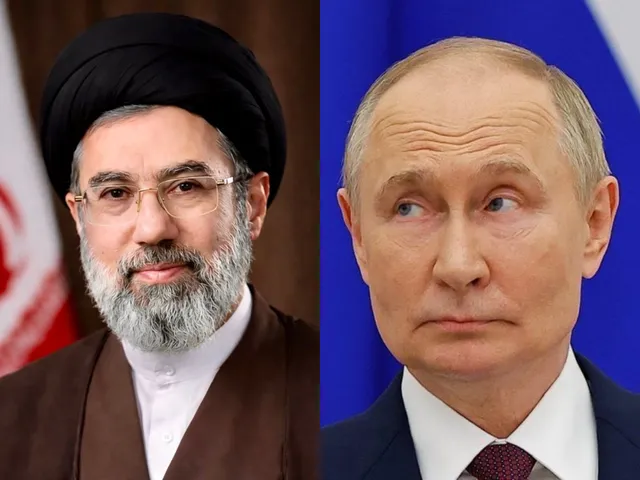
US–Iran War: The conflict between the United States and Iran has now entered its third week, with no clear signs of a diplomatic breakthrough. Instead, tensions have intensified following US military strikes near Iran’s key oil export hub, Kharg Island. In response, Iran is exploring several strategic options to counter the United States and its allies.
One of the most significant ideas under consideration is a challenge to the long-standing global oil payment system known as the petrodollar. According to a report by the Times of India citing CNN, Iran is considering allowing oil tankers to pass through the Strait of Hormuz only if the trade is settled in Chinese yuan rather than US dollars.
US–Iran War: If implemented, this move could create major ripple effects across global financial markets, particularly in currencies, bonds, equities, and precious metals.
Petro-Yuan Plan and Its Potential Market Impact
Market experts believe that a shift toward a petro-yuan system could trigger short-term volatility in global markets. For decades, the global oil trade has largely been conducted in US dollars under the petrodollar system. Any attempt to move away from that structure introduces uncertainty in financial markets.
Ponmudi R, CEO at Enrich Money, explained that discussions about settling oil payments in yuan through the Strait of Hormuz could make investors cautious in the short term.
Energy trade has historically relied on the US dollar, which has strengthened the dollar’s position as the world’s dominant reserve currency. A shift to alternative currencies could influence exchange rates, bond markets, and stock market sentiment worldwide.
According to Ponmudi R, equity markets are likely to react more strongly to geopolitical developments than to traditional economic indicators in the near future. The United States has historically protected the dollar’s role in global energy trade and is unlikely to accept a rapid transition to alternative payment systems.
This situation is not just about finance. It also involves geopolitical influence, trade alliances, and global monetary power.
Possible Impact on Gold and Silver Prices
Experts believe that the proposed petro-yuan move could also influence precious metal prices.
Anuj Gupta, a SEBI-registered market expert, said that uncertainty in global financial markets typically increases demand for safe-haven assets such as gold and silver. If oil trade begins shifting away from the US dollar toward the Chinese yuan, it could weaken the dollar and push investors toward precious metals.
According to Gupta, a weaker dollar could lead to rising inflation in the United States. If inflation rises sharply, the US Federal Reserve may be forced to increase interest rates, which could tighten liquidity in global markets.
This environment generally benefits gold and silver, as investors often turn to these assets during periods of economic and currency instability.
Ponmudi R also noted that precious metals historically perform well when confidence in the global monetary system weakens. However, he emphasized that the US dollar still dominates global reserves and financial markets, meaning any transition toward a multi-currency system would likely be gradual rather than immediate.
Political Impact in the United States
The geopolitical developments could also have political consequences in the United States. Amit Goel, Chief Global Strategist at PACE 360, pointed out that US mid-term elections are scheduled for November this year.
If inflation rises due to currency pressures or energy market disruptions, it could negatively impact candidates from Donald Trump’s Republican Party. According to Goel, Iran may attempt to destabilize the US political environment without direct military confrontation.
However, experts believe that a structural shift away from the petrodollar would require cooperation among major oil-producing countries, large energy consumers, and global financial institutions. Without coordinated action, unilateral changes could disrupt global trade settlement systems, shipping insurance structures, and financial clearing networks.
The BRICS Factor
Iran’usion
US–Iran War: While the idea of petro-yuan oil payments is still under discussion, even the possibility of such a shift has already raised concerns in financial markets. Investors are closely watching developments in the US-Iran conflict and their potential impact on currencies, commodities, and global trade systems.
If tensions continue to escalate, markets may experience increased volatility, while safe-haven assets such as gold and silver could benefit from rising demand.
Disclaimer
This article is intended for informational purposes only. The views mentioned are those of market analysts and financial experts and do not represent investment advice. Investors should consult certified financial advisors before making any investment decisions.