
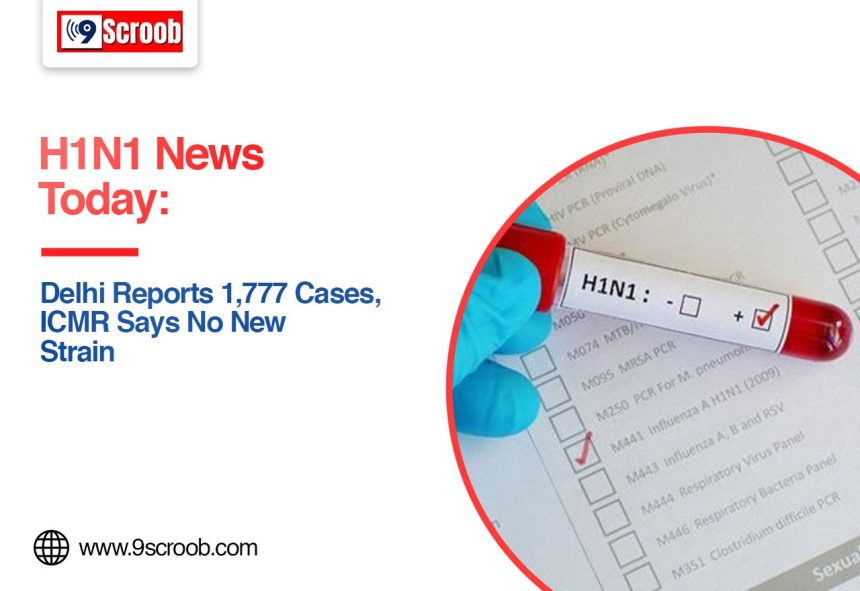
New Delhi, August 24, 2026: If you’ve been seeing H1N1 pop up in the news again, you’re not imagining things. Delhi has seen a real spike in cases this year, and it’s got health officials paying close attention. As of the latest count, the capital has logged 1,777 H1N1 cases, which is enough to get hospitals reviewing their readiness and health departments stepping up their monitoring.
It’s understandable if this news makes you a little uneasy, monsoon season always seems to bring a wave of seasonal illnesses, and after everything we’ve been through with COVID-19, any mention of rising infection numbers tends to set off alarm bells. But here’s the reassuring part: health experts want people to know that this isn’t a new H1N1 strain.
The Indian Council of Medical Research (ICMR) has been pretty clear that what we’re seeing is just seasonal flu activity doing what it usually does this time of year, not some new virus making the rounds.
Delhi’s H1N1 Numbers Are Climbing
The rise in Delhi hasn’t happened overnight, but it has picked up pace in recent weeks. Figures up to August 20 put the city’s H1N1 case count at 1,777 for the year so far.
That number has brought seasonal flu back into the spotlight in a big way. Health authorities aren’t just watching case counts either — they’re also keeping an eye on whether there’s enough testing capacity, hospital beds, and critical care support to handle things if numbers keep climbing.
Naturally, this has sparked conversations among officials about whether extra precautions are needed while flu activity stays elevated through the monsoon.
Is There a New H1N1 Strain? ICMR Says No
This is probably the question on most people’s minds, so let’s address it directly: no, there isn’t a new or more dangerous version of H1N1 spreading in India right now.
According to the ICMR, the H1N1 viruses currently going around are the same ones we’ve seen in previous flu seasons — nothing new, nothing mutated into something scarier. It’s essentially the familiar seasonal flu doing its seasonal thing.
That distinction matters more than it might seem. Case numbers going up can spread panic fast, especially with COVID still fresh in a lot of people’s minds. Knowing this isn’t a new pandemic-level threat should take some of the edge off.
For now, the message from experts is simple: stay alert, but there’s no need to panic.
Karnataka Is Seeing a Similar Trend
Delhi isn’t the only place dealing with a flu uptick. Karnataka has also reported a noticeable rise in H1N1 cases, with thousands of confirmed infections showing up across the state — and Bengaluru making up a big chunk of that total.
Health officials there are chalking it up to the same seasonal pattern affecting Delhi. Flu activity tends to ramp up during certain stretches of the year, and this appears to be one of them. Hospitals and local health departments are keeping surveillance going so that anyone with a serious case gets identified and treated quickly.
What Does H1N1 Actually Feel Like?
One tricky thing about H1N1 is that it doesn’t announce itself with anything unusual — it just feels like a bad flu, which is exactly why people often brush it off at first.
Keep an eye out for:
- Fever
- Cough
- Sore throat
- Headache
- Body aches
- Chills
- Fatigue
- General weakness
For most people, this passes with rest, fluids, and some basic care at home. But if symptoms start getting worse instead of better, that’s not something to shrug off.
If you fall into a higher-risk category and start feeling flu-like symptoms, it’s worth reaching out to a doctor sooner rather than later instead of waiting it out.
Who Needs to Be a Bit More Cautious?
Anyone can catch seasonal flu, but it doesn’t hit everyone the same way. Young children, older adults, and people managing existing health conditions are more likely to run into complications. If you’re pregnant, it’s also worth checking in with a doctor if flu symptoms show up.
Here’s the honest advice: don’t try to self-diagnose based on a quick symptom checklist online, and definitely don’t start medicating yourself without guidance. If you’re genuinely feeling unwell, a doctor’s opinion is worth far more than internet advice.
A Few Simple Habits Go a Long Way
The good news is that protecting yourself from H1N1 doesn’t require anything complicated — mostly just the basics we already know. Wash your hands often, especially after being out in crowded places or travelling. Cover your mouth and nose when you cough or sneeze, and try to keep some distance from others if you’re not feeling well.
If you do come down with flu-like symptoms, staying home for a bit can make a real difference in keeping it from spreading to family, coworkers, or anyone else around you. Good airflow indoors helps too — it’s a small thing, but it does add up.
Should You Actually Be Worried?
The rise in cases is worth paying attention to, sure, but nothing here points to a new H1N1 strain or anything close to a pandemic-level concern. That’s really the core message health authorities are trying to get across.
That said, rising numbers don’t mean flu symptoms should be brushed off entirely — especially for anyone at higher risk of complications, getting medical advice early can make a real difference. With monsoon season still underway, expect health departments in Delhi and other states to keep a close watch on how influenza activity trends over the coming weeks.
What Comes Next
Right now, the priority for health authorities is straightforward: keep tracking cases, make sure hospitals are prepared, and try to limit unnecessary spread. The numbers might look concerning at first glance, but experts keep coming back to the same point — this is seasonal flu behaving the way it typically does, not a sign of some new outbreak.
If there’s one takeaway for the average person, it’s this: don’t panic, but don’t ignore your symptoms either. Basic hygiene, staying away from others when you’re sick, and getting medical help if things get serious will cover you for the most part. Whether H1N1 cases in Delhi and Karnataka start levelling off or keep climbing over the next few weeks remains to be seen — but health departments are watching either way closely.