
PM Narendra Modi has been on the road again, and this time it’s Central Asia. Between August 29 and September 1, 2026, he covered two countries — Uzbekistan and Kyrgyzstan — with the SCO Summit in Bishkek as the main event. It’s the kind of trip that doesn’t always grab headlines the way a US or UK visit does, but this one matters a lot more than it might seem at first glance.
Where PM Modi Went and When
The trip had two clear legs. First, Uzbekistan, from August 29 to 30. Then Kyrgyzstan, from August 31 to September 1, where the SCO Summit was held.
Central Asia isn’t a region India talks about every day, but it’s quietly become a bigger priority — both for security reasons and because there’s real economic opportunity sitting there, largely untapped so far.
Uzbekistan Visit: Old Ties, Renewed Push
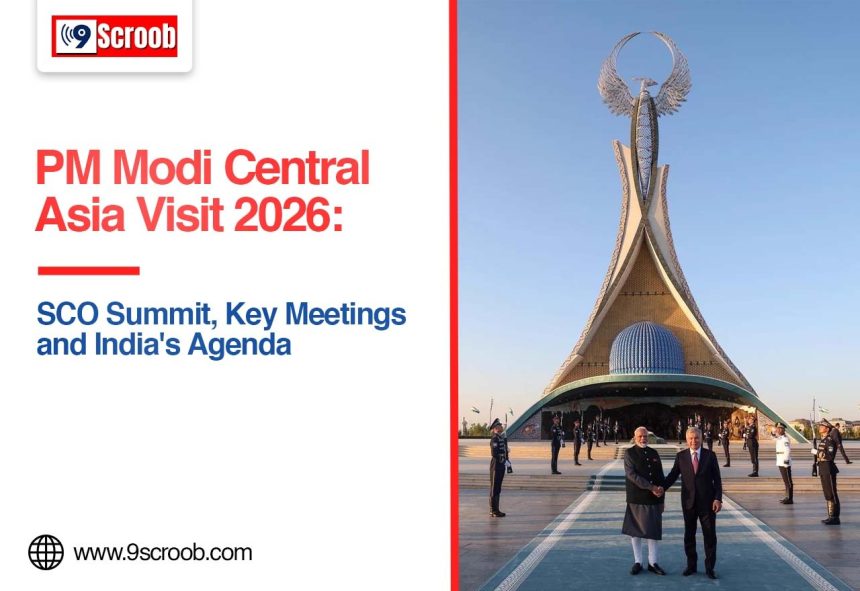
Modi’s tour started in Tashkent. This was actually his fourth visit to Uzbekistan, so this isn’t a fresh relationship; it’s one India has been building steadily over the years.
He sat down with Uzbek President Shavkat Mirziyoyev, and the conversation covered the usual big-ticket items: trade, investment, connectivity, energy, security, and education. Nothing flashy, but this is the groundwork that keeps a partnership moving forward.
He also stopped by the Shastri Memorial and the Mahatma Gandhi Centre at Tashkent State University — a small but meaningful gesture, showing that India’s ties with Uzbekistan aren’t just about business. There’s a cultural and historical thread there too.
Why This Year’s SCO Summit Is Different
After Uzbekistan, Modi headed to Bishkek for the 26th SCO Summit, at the invitation of Kyrgyz President Sadyr Zhaparov. And this wasn’t just another summit on the calendar.
A few things made it stand out: It’s the 25th anniversary of the SCO, which was set up back in 2001. Around 21 heads of state and government showed up in Bishkek this year — a huge number for a summit like this. India, for context, has been a full SCO member since 2017, after spending years as an observer before that.
With that many leaders in one place, security around Bishkek was tightened massively. It’s easily one of the biggest gatherings the SCO has seen.
The Leaders Modi Shared the Room With
This wasn’t a small guest list. Along with PM Modi, the summit brought together Russian President Vladimir Putin, Chinese President Xi Jinping, Iranian President Masoud Pezeshkian, Pakistani PM Shehbaz Sharif, and Turkish President Recep Tayyip Erdogan.
That’s a lot of complicated relationships sitting in the same room, which is exactly why the world was watching this summit so closely.
India’s Pitch: Security, Connectivity, Opportunity
Before he even left India, Modi laid out what he wanted this summit to be about — three words, really: Security, Connectivity, and Opportunity. He talked about wanting a region free from terrorism, separatism, and extremism, and pushed for SCO members to work together on that front.
Here’s the honest part though — connectivity is where India struggles the most. Central Asia is landlocked, and India simply doesn’t have a direct land route into the region. So trade and energy cooperation end up depending on transport routes that are still being built out, slowly.
Digital connectivity is a different story. That doesn’t need roads or borders, and it’s an area where India can actually deliver something right now, instead of waiting years for infrastructure to catch up.
The Meeting Everyone Was Watching: Modi and Putin
If there’s one meeting from this trip people kept coming back to, it’s the Modi-Putin bilateral in Bishkek. India’s Ministry of External Affairs had confirmed it ahead of time, and the conversation was expected to touch on pretty much everything — trade, energy, defence, and the broader state of India-Russia relations.
This won’t be the last time they meet this year either. Another Modi-Putin conversation is expected soon at the BRICS Summit, which India is hosting in New Delhi next month as it takes over the BRICS presidency from Brazil.
Did Modi and Xi Jinping Meet?
Naturally, people were curious whether Modi and Xi Jinping would sit down together, given how much is going on between India and China right now. But as the summit kicked off, no separate one-on-one meeting between the two had been officially scheduled. So that’s one to keep an eye on — it may or may not happen.
The Other Meetings in Bishkek
Putin wasn’t the only bilateral on Modi’s schedule. He also met Kyrgyz President Sadyr Zhaparov, Armenian PM Nikol Pashinyan, and Iranian President Masoud Pezeshkian.
On the lighter side, Modi attended the opening ceremony of the 6th World Nomad Games, and later joined a cultural evening and dinner hosted by President Zhaparov.
Why This Trip Actually Matters
It’s easy to file this under “routine diplomacy,” but there’s more going on beneath the surface. India is trying to walk a careful line globally, especially amid pressure over buying Russian oil. Counter-terrorism remains a top concern within the SCO, particularly with Pakistan also sitting at the table. Central Asia, meanwhile, is shaping up as a long-term opportunity for India — not something that pays off tomorrow, but something worth investing in now. And strengthening ties with Russia, Iran, and the Central Asian states all feed into India’s bigger regional strategy.
What Comes After the Summit
The SCO Summit wraps up on September 1, and Modi is expected to head back to India soon after. But there’s barely a pause before the next big event — the BRICS Summit in New Delhi is right around the corner, and that’s likely to dominate headlines next.
All in all, this Central Asia trip says a lot about where India’s foreign policy is headed — balancing security concerns, chasing long-term economic opportunity, and building relationships in a part of the world that’s becoming harder to ignore.