
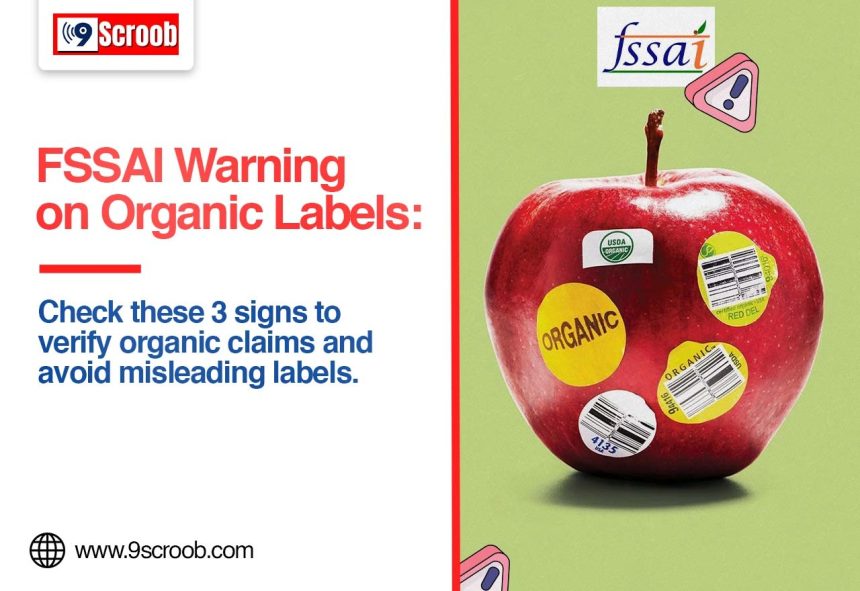
Organic food has become increasingly popular as more people look for healthier and more environmentally friendly food choices. However, simply seeing the word “organic” on a package does not always mean that the product meets recognised organic standards.
Consumers should therefore pay attention to certification marks, ingredient lists and other information available on food packaging. Understanding these details can help buyers avoid misleading claims and make more informed choices.
This guide explains what organic food means, how it differs from conventionally produced food, how to check organic claims and what consumers should look for while shopping.
What Does Organic Food Mean?
Organic food is produced using farming and processing practices that follow recognised organic standards. Organic farming generally restricts the use of synthetic pesticides and fertilisers and does not permit the use of genetically modified organisms (GMOs).
Depending on the applicable standards, organic production focuses on maintaining soil health, using natural farming practices and reducing reliance on synthetic agricultural inputs.
Key Features of Organic Food
- Restrictions on synthetic pesticides and fertilisers
- No genetically modified ingredients
- Controlled use of additives and processing aids
- Farming practices focused on soil and environmental health
- Production according to recognised organic standards
What Is Conventional Food?
Conventional food is produced using commonly used modern agricultural and food-processing methods. Farmers may use synthetic fertilisers, pesticides and other approved agricultural inputs to protect crops, improve productivity and manage pests.
Conventional food is not necessarily unsafe. Food products sold legally in the market are required to comply with applicable food-safety standards.
Common Characteristics of Conventional Food
- Use of approved agricultural inputs
- Modern farming techniques
- Production aimed at improving yield and efficiency
- Generally wider availability
- Often available at a lower price than certified organic alternatives
Organic Food vs Conventional Food: Key Differences
| Factor | Organic Food | Conventional Food |
|---|---|---|
| Farming practices | Follows recognised organic standards | Uses conventional agricultural methods |
| Synthetic pesticides | Restricted under organic standards | May use approved synthetic pesticides |
| Fertilisers | Primarily uses permitted organic inputs | May use synthetic fertilisers |
| GMOs | Not permitted under organic standards | May be used where legally permitted |
| Price | Often more expensive | Generally more affordable |
| Availability | May be more limited | Widely available |
The nutritional difference between organic and conventional foods can vary depending on the particular food. Choosing organic does not automatically make an overall diet healthier.
How to Check Whether an Organic Product Is Genuine
One of the most important things consumers can do is check whether an organic product carries the appropriate certification or regulatory information.
In India, consumers may come across recognised organic certification systems such as:
- Jaivik Bharat logo
- India Organic certification under NPOP
- PGS-India certification, where applicable
Buyers should not rely only on words such as “natural”, “pure”, “chemical-free” or “farm fresh”. These terms by themselves do not necessarily prove that a product is certified organic.
3 Signs to Check Before Buying Organic Food
1. Look for the Appropriate Certification
Check the packaging for the relevant organic certification or official logo. Certification provides greater assurance that the product has been produced according to the applicable organic standards.
2. Check the Ingredient List
Read the complete ingredient list instead of relying only on the front of the package. This is particularly important for processed foods marketed as organic.
3. Don’t Trust Marketing Claims Alone
Words such as “natural”, “healthy”, “chemical-free” or “farm fresh” can be used as marketing descriptions and should not automatically be treated as proof of organic certification.
Always look for supporting certification and product information.
How to Read Organic Food Labels
Reading the entire food label can help consumers make better purchasing decisions.
Before buying, check:
- Organic certification or applicable logo
- Complete ingredient list
- Nutrition information
- Additives and preservatives
- Manufacturing and expiry dates
- Manufacturer or brand details
- Relevant licence or certification information
Consumers should be particularly cautious when a product makes strong health or organic claims without providing adequate supporting information.
Is Organic Food Lower in Calories?
No. Organic food is not automatically low in calories.
The calorie content of a food mainly depends on its ingredients, portion size and preparation rather than whether it is produced organically.
For example, organic sugar and conventional sugar contain broadly similar amounts of calories. Similarly, an organic biscuit or snack can still be high in sugar, fat or calories.
Therefore, consumers should check the nutrition label instead of assuming that an organic product is automatically healthier or lower in calories.
Is Organic Food Healthier Than Conventional Food?
Organic food can have certain advantages, including reduced exposure to some pesticide residues and production methods that may have environmental benefits. However, the overall health value of a food depends on several factors.
A healthy diet should include a variety of vegetables, fruits, whole grains, pulses, nuts, seeds and other nutritious foods in appropriate amounts.
It is also important to remember that organic does not mean unlimited or automatically healthy. An organic processed snack can still contain significant amounts of sugar, salt or fat.
Tips for Buying Organic Food Safely
Consumers can follow a few simple practices when shopping for organic products:
- Check the appropriate certification mark.
- Read the ingredient list carefully.
- Compare nutrition information before buying.
- Purchase products from reliable sellers.
- Be cautious of products making unsupported health claims.
- Check the manufacturing and expiry dates.
- Wash fresh fruits and vegetables properly before consumption.
- Do not assume that every product labelled “natural” is organic.
Organic Food: What Really Matters?
Organic food can be a useful choice for consumers who prefer certified organic farming and production practices. However, buyers should not make their decision based only on attractive packaging or marketing claims.
The most important step is to check the certification, read the label and understand what you are buying. Whether you choose organic or conventional food, maintaining a varied and balanced diet and following basic food-safety practices remain important.
Instead of simply choosing a product because it says “organic”, take a few seconds to verify the label. That small step can help you make a more informed food choice.
Disclaimer: This article is intended for general informational purposes only. It should not be considered medical, nutritional or professional advice. Consumers should refer to official food-safety and certification guidelines for the latest requirements.