
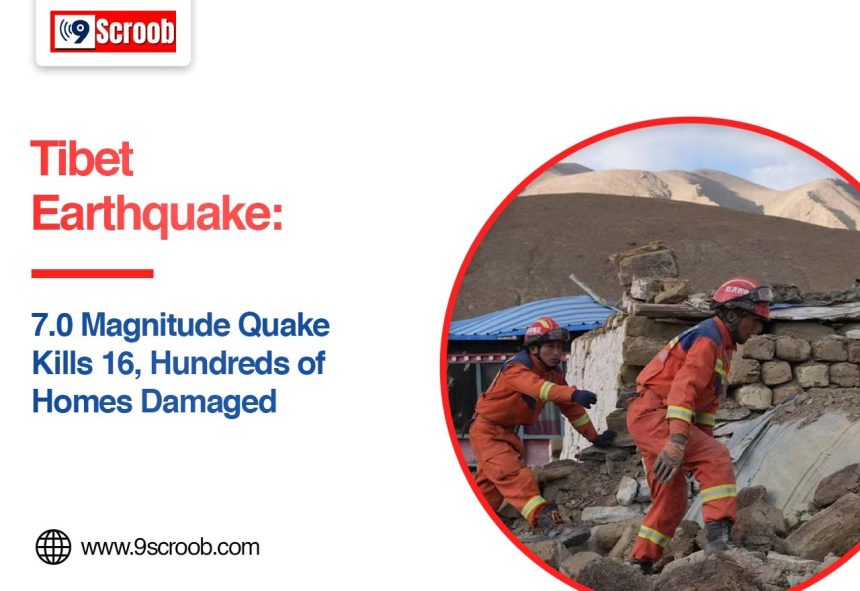
A magnitude 7.0 earthquake struck Tibet on October 22, 2026, killing at least 16 people and injuring dozens more, according to local authorities. It hit the Nagqu region in northern Tibet late Thursday night, damaging homes and prompting a large-scale rescue and relief effort. As of October 23, officials were still assessing the full extent of the destruction.
It’s a tough situation. The affected communities are remote and high up, where rough terrain, damaged roads, and bitter cold can make every part of a rescue harder. Emergency teams are searching the area, treating the injured, and providing temporary shelter for families who can’t safely return home.
What Happened: Magnitude 7 Earthquake Strikes Tibet
The quake hit at around 10:33 p.m. local time on Thursday, October 22, in Baqen County, part of Nagqu City in northern Tibet. The United States Geological Survey (USGS) put the magnitude at 7.0, with the epicentre roughly 191 kilometres east-northeast of Nagqu and a depth of about 18 kilometres. Chinese monitoring authorities reported a shallower depth of around 10 kilometres. The gap reflects differing preliminary estimates, which are often refined later.
For context, Nagqu sits more than 300 kilometres north of Lhasa, Tibet’s capital. The area is sparsely populated and lies at an altitude of around 4,800 metres, so getting help in quickly is no small task. Depth matters too. A shallow earthquake can shake the ground hard near its epicentre, which raises the risk of serious damage, especially to buildings that weren’t designed to handle strong tremors.
Death Toll and Injuries
At least 16 people have been reported killed, and dozens more were hurt. Early reports from local authorities said some of the injured needed urgent medical care. Reports published on October 23 said at least 339 homes and 20 livestock sheds had collapsed or been damaged. Officials are still checking casualty numbers and inspecting affected settlements as the rescue work goes on.
Many residents ran outdoors as soon as the shaking started, trying to get away from buildings. Some structures cracked, others collapsed, and families now need emergency places to stay. These numbers could change. As rescue workers reach more locations and more information comes in, the final picture may look different.
Rescue and Relief Efforts Under Way
Emergency teams are on the ground supporting search-and-rescue, giving medical help and assessing damaged buildings. Chinese state media reported that more than 1,600 personnel have been mobilised. Supplies headed to the region include about 1,000 prefabricated housing units, around 3,000 tents, folding beds, flashlights and winter clothing.
All of this is meant to help families whose homes were destroyed or declared unsafe. Rescue workers are also handing out essentials and helping people move to safer ground. The priorities are simple: find anyone who might be trapped, treat the injured, and make sure vulnerable families have warm shelter, food and medical care.
Roads, Railways and Communications Disrupted
The quake also knocked out transport and communication links in parts of the region, which makes the rescue even harder. Rockfalls forced the closure of a section of National Highway 317 while crews cleared debris and checked whether the road was safe. Restrictions are in place, so emergency and authorised vehicles can get through.
Railway authorities took precautions of their own, temporarily halting services on affected sections while they inspected the infrastructure. Some areas also lost communications, which makes it harder to coordinate relief and get news out of remote communities. Getting roads, rail and communications working again will be key to delivering supplies, moving injured people and reaching isolated settlements.
Aftershocks and Cold Weather Add to the Worry
Smaller earthquakes followed the main tremor, according to monitoring reports. Aftershocks like these can do further damage to buildings that are already weakened. Residents have been told to follow local safety instructions and stay out of visibly damaged buildings until officials say they’re safe.
The weather isn’t helping. Cold temperatures and forecast snowfall could make things even tougher. People staying outdoors or in temporary shelters will need extra protection, and rescue teams will have to cross difficult terrain to reach affected households. Warm clothing, blankets, clean drinking water, food, and safe shelter will stay essential as relief efforts continue.
Why Is Tibet So Prone to Earthquakes?
Tibet and the wider Himalayan region see a lot of seismic activity because the Indian tectonic plate keeps pushing against the Eurasian plate. That same slow collision built the Himalayas and the Tibetan Plateau.
Earthquakes in remote mountain areas can be especially destructive. Buildings may be vulnerable, villages are spread far apart, and emergency services have long distances to cover. This latest disaster is a reminder of why earthquake-resistant construction, community preparedness, reliable communications, and well-equipped emergency teams matter so much.
What Happens Next?
Authorities are still assessing the damage, helping displaced families and working out the full impact of the quake. Rescue operations remain the top priority as teams push to reach affected communities with medical care and supplies.
Expect the confirmed death toll, injury figures, and damage counts to be revised as more information comes in. Weather, road access and aftershocks could all affect how quickly relief gets through. The next few days will show how much recovery is needed and whether residents can get safe shelter and basic services.