
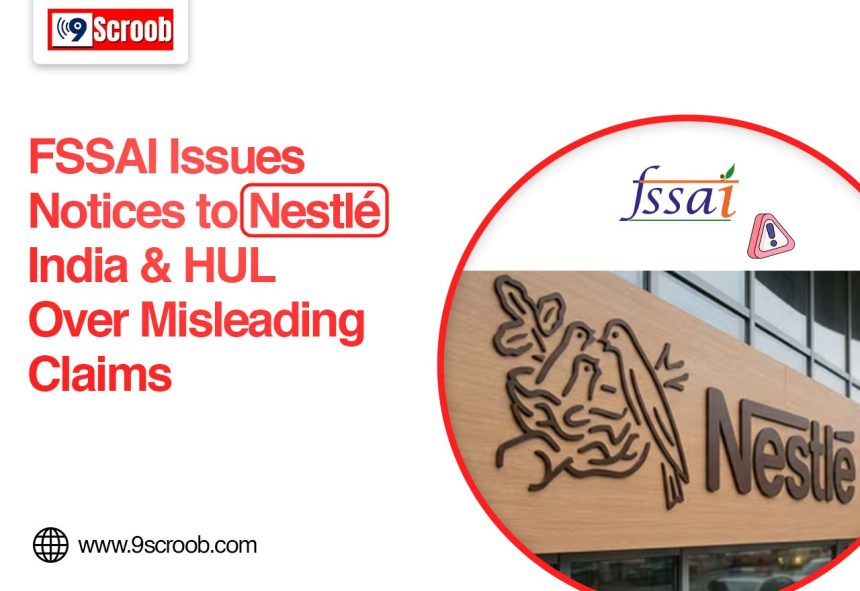
If you’ve picked up a Horlicks tub or a chilled Nescafé lately, this one is worth a read. India’s food safety regulator, the Food Safety and Standards Authority of India (FSSAI), has sent notices to Nestlé India and Hindustan Unilever Limited (HUL). The concern is alleged misleading claims and non-compliance on certain food and nutrition products. It’s the latest in a run of FSSAI news items about how food brands describe and label what they sell.
The action came to light in October 2026. The notices cover claims on some Horlicks products, how a few Nescafé ready-to-drink beverages are described, and the regulatory requirements for a specialised nutrition powder from Nestlé. Both companies have been asked to respond. A notice isn’t a verdict, so nothing here has been finally decided.
Why Did FSSAI Issue Notices to Nestlé India and HUL?
According to reports published on October 17 and 18, the regulator flagged possible problems with product claims, labels, and approvals. In simple terms, FSSAI is asking whether certain products are being described to shoppers accurately and in line with the rules.
That matters because many of us buy food based on what the front of the pack says. If you follow Nestlé India news or Hindustan Unilever news, you’ll know both companies sell products that people trust for everyday nutrition.
- Hindustan Unilever: Horlicks Under the Spotlight
The first set of concerns involves Horlicks. Reports describe Horlicks’ misleading claims being questioned on two products.
- Horlicks Mother’s Plus Kesar: The regulator has questioned claims linking the product to a healthy birth weight, and whether the wording could mislead consumers.
- Horlicks Women’s Plus Chocolate Nutrition Drink: Reported issues include claims about bone strength and muscle health, along with the phrase “No Added Sugar.”
FSSAI is looking at whether these statements meet the rules on food advertising, nutritional information, and health claims. It’s an important check. People choose products for pregnancy or women’s nutrition because of exactly this kind of wording, so it needs to be accurate and properly backed up.
- Nestlé India: Resource Renal Powder
Next is Nestlé India’s Resource Renal Vanilla Flavour Powder. It’s meant for the dietary management of people with chronic kidney disease who are on conservative treatment.
Reports say FSSAI questioned whether the required prior approval was obtained under the relevant regulations. The regulator also reportedly noted that the label lacked the prescribed vegetarian or non-vegetarian symbol.
Because this product is for people with a medical condition, approvals and correct labels carry extra weight. Anyone managing kidney disease should follow their doctor’s advice on specialised nutrition products.
- Nescafé Ready-to-Drink: Labelling Inconsistencies
The third issue is about Nescafé labelling issues on some ready-to-drink beverages sold online. Reports name Nescafé Intense Café Cappuccino, Nescafé Choco Mocha and Nescafé Chilled Latte.
According to Business Standard, the regulator spotted a mismatch. The front of the pack said “Flavoured Milk,” while the category declared on the back and in online listings was different. The question is whether the product’s classification and description line up with the food standards. Clear, consistent labels help shoppers understand what they’re buying.
What Could This Mean for the Companies?
The outcome depends on how the companies respond and what the authorities decide. Here’s what could come into play:
- Closer scrutiny: Both companies may need to explain and document the claims, approvals, and labels under review.
- Changes to packs and listings: If violations are established, claims, labels or online descriptions may have to be corrected.
- Consumer trust: Doubts about health claims can change how people judge nutrition products.
- Business costs: Corrective steps or enforcement proceedings could add costs and reputational pressure.
It’s worth being clear on one point. A show-cause notice isn’t a penalty or a product ban. The companies’ replies and the regulator’s review will decide what happens next.
What Should Consumers Take From This?
A few simple habits help, whatever happens with this case:
- Read the whole label, not just the biggest claim on the front.
- Don’t assume a drink is right for you because the pack mentions bone strength or pregnancy nutrition.
- If you have a medical condition, check with a qualified healthcare professional before using specialised nutrition products.
- To understand how food claims are regulated, see the official FSSAI pages on Indian food safety regulations and labelling rules.
Final verdict
The FSSAI notices to Nestlé India and HUL are a reminder that product descriptions, labels and nutrition claims have to stand up to the rules. The concerns around Horlicks, Nescafé beverages and Resource Renal powder now go through the regulatory process. The next step is for both companies to answer the regulator’s observations, and any further action will depend on the evidence and their responses.
FAQs
- Why has FSSAI issued notices to Nestlé India and HUL?
FSSAI raised alleged misleading claims and regulatory non-compliance involving selected Horlicks products, Nescafé ready-to-drink beverages and Nestlé’s Resource Renal nutritional powder.
- Which Horlicks products are under scrutiny?
Reports name Horlicks Mother’s Plus Kesar and Horlicks Women’s Plus Chocolate Nutrition Drink. The concerns involve claims about birth weight, bone health, muscle health, and sugar.
- Why was Nestlé India’s Resource Renal powder flagged?
Reports say FSSAI questioned whether the required prior approval was obtained and noted the missing vegetarian or non-vegetarian symbol on the label.
- What labelling issue did FSSAI identify in Nescafé drinks?
The regulator reportedly flagged a mismatch between “Flavoured Milk” on the front of some packs and the food category declared on the back and in online listings.
- Does an FSSAI notice mean the products are banned?
No. A notice doesn’t automatically mean a ban or a final penalty. What happens next depends on the regulatory process and each company’s response.
- Where can I find official food safety information?
Visit the official FSSAI website for food safety standards, labelling rules, and regulatory updates.