
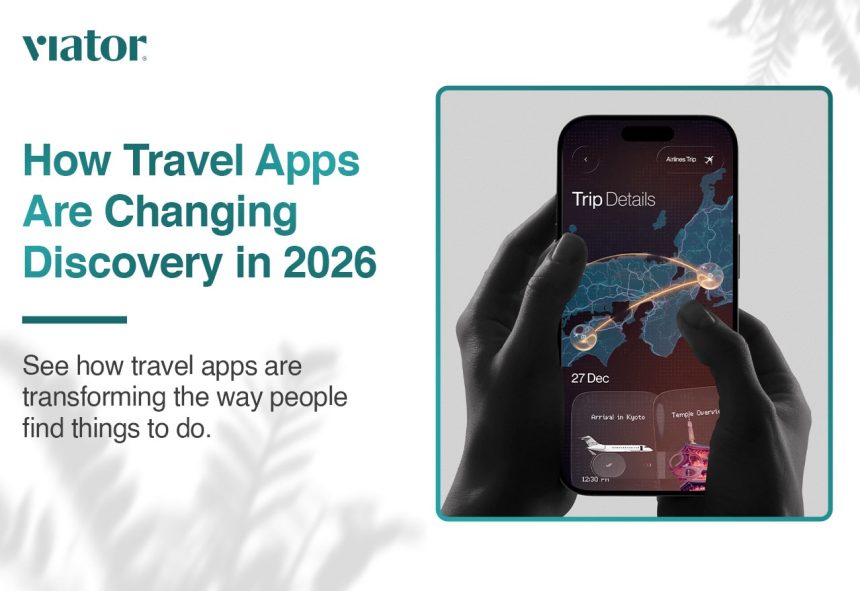
Remember when a trip meant packing a thick guidebook, folding a paper map into a shape it never wanted to hold, and hoping the restaurant you circled was still open? These days, most of us skip all that. Our phones have become the guidebook, the map, the ticket office, and the local friend who always knows a good place for dinner.
Travel apps have quietly changed how we plan trips and how we spend our time once we arrive. Whether you’re looking for a sunrise hike, a food tour, a museum skip-the-line ticket, or something to do on a rainy afternoon, the answer is usually a few taps away. Platforms like Viator make it easy to browse tours, attractions, and activities in one place, so you can spend less time searching and more time actually enjoying your trip. So what’s really changing about how we find things to do in 2026?
How Travel Apps Are Changing Travel
- Finding Activities in Real Time
Plans change. A flight gets delayed, the weather turns, or you simply wake up and don’t feel like doing what you’d scheduled. Travel apps are great in these moments because they show you what’s happening around you right now.
Instead of wandering or asking the hotel front desk for the third time, you can open your phone, see nearby attractions and experiences, and pick something that fits your mood and your schedule. It makes a trip feel more flexible and a lot less stressful.
- Personalized Travel Recommendations
One of the best things about modern travel planning apps is that they learn what you like. Tell an app you love food, history, or outdoor adventures, and it can point you toward activities that match, based on where you are and what you’re into.
That makes building a personalized itinerary much easier. Rather than sorting through endless generic “top 10” lists, you get suggestions that feel like they were picked for you.
- Simple Booking
This is the real power of apps. You can find a tour, check the details, and book it straight from your phone, with no phone calls, no long email chains, and no showing up at a ticket window hoping there’s space.
If you’re looking for tours and experiences, you can browse through Viator and compare options, see what’s included, and book it all in one place. Digital confirmations land right on your phone, which keeps planning simple and organized.
- Reviews Impact Traveler Decisions
We’ve all done it: the photos look amazing for a tour, but is it actually good? Traveler reviews and ratings take a lot of the guesswork out of it.
Reading what other people experienced helps you compare options before you book. You can see whether a tour was worth the price, whether the guide was engaging, and whether it suited travelers like you. On platforms such as Viator, reviews from real travelers can be the deciding factor between two similar experiences.
- Maps and Location-Based Suggestions
Location features have quietly become one of the most useful parts of travel technology. Open the app, and you can see attractions, tours, and experiences close to where you’re standing.
That cuts down on the time you’d otherwise spend searching, backtracking, or wondering if there’s something better around the corner. It’s especially handy in a new city where you don’t know the neighborhoods yet.
- Last-Minute Travel Planning
Not everyone plans every detail, and honestly, some of the best days happen when you don’t. Travel apps make it possible to look up available activities while you’re already at your destination.
Woke up to sunshine and want to try a boat trip? Finished your sightseeing early and have a free evening? Spontaneous travelers can find something to do without having planned weeks ahead.
- Digital Tickets and Confirmations
Printed vouchers and paper tickets used to be a travel essential (and a travel worry, since they were easy to lose). Now you can store your bookings on your phone and pull them up when you need them.
Less paper means less to carry, less to lose, and one less thing to stress about at the start of a tour. Just make sure your phone is charged!
- Discovering Less-Known Experiences
Maybe the best thing about travel experiences booked through apps is how they open the door beyond the usual tourist stops. Local guides, small-group tours, cooking classes, and off-the-beaten-path adventures are much easier to find than they used to be.
Browsing Viator is a good example. Alongside the famous landmarks, you’ll often spot unique activities you might never have heard of, the kind that end up being the highlight of the trip.
Benefits of Using Travel Apps
Beyond the “wow, that’s convenient” factor, there are some real, practical benefits:
- Saves planning time. Research, compare, and book without hopping between a dozen websites.
- Keeps bookings organized. Confirmations, tickets, and details stay in one place.
- Makes discovering activities easier. Fresh ideas are always a scroll away.
- Helps travelers compare options. Prices, reviews, and inclusions are easy to line up side by side.
Tips for Using Travel Apps in 2026
To get the most out of your apps, a few simple habits go a long way:
- Read recent reviews. Things change, and a review from last month is more useful than one from years ago.
- Compare prices and cancellation policies. Flexibility matters, especially if your plans might shift.
- Download important booking information. Save tickets and confirmations to your phone so you can access them without a signal.
- Keep offline maps available. Wi-Fi and mobile data aren’t always reliable, so a downloaded map is a great backup.
Your article is already well structured. For SEO, I’d add 5 short FAQs at the end:
FAQs
- How are travel apps changing travel in 2026?
Travel apps make it easier to discover, compare, book, and manage activities from your phone.
- What can travel apps help you discover?
Travel apps can help you find tours, attractions, food experiences, outdoor activities, and local experiences.
- Are travel apps useful for last-minute activities?
Yes, many travel apps let travelers find and book available activities after arriving at their destination.
- How do travel apps personalize recommendations?
Travel apps can use your interests, location, and previous activity preferences to suggest relevant experiences.
- Why are travel apps useful for booking tours?
They let travelers compare activities, read reviews, check details, and manage digital bookings in one place.
Final words
Travel apps make it easier, and more fun, than ever to find a destination. They put ideas, reviews, maps, and bookings in your pocket, and they help you turn free time into something memorable instead of scrolling, wondering what to do.
Whether you’re planning months or making decisions over breakfast, tools like Viator can help you find tours and experiences that fit your style. So next time you’re headed somewhere new, drop the stress, open an app, and see what’s out there. Your best travel story might be just a few taps away.