
Small retail businesses remain genuinely attractive in 2026, whether that means a physical store, an online shop, a pop-up, or a niche boutique built around a specific audience. But if you want to start a small retail business that lasts, a good product idea alone won’t cut it; you need a business plan, a target audience, a realistic budget, dependable suppliers, and a marketing strategy that fits your niche.
- How to Start a Small Retail Business
- Common Mistakes New Retailers Should Avoid
- How to Grow Your Retail Business After Launch
- FAQs About Starting a Small Retail Business
- 1. How much money do I need to start a small retail business?
- 2. What is the easiest retail business to start?
- 3. How do I find products to sell in my retail store?
- 4. How do I make a small retail business profitable?
- 5. Can I start a retail business online?
- Final words
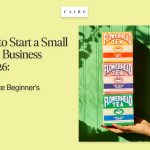
This guide walks through the key steps, from picking an idea to managing inventory once you’re up and running. Wholesale marketplaces like Faire, which connects retailers with more than 100,000 independent brands, are worth knowing about early, since sourcing products is one of the first real hurdles beginners face.
How to Start a Small Retail Business
If you want to start a new business but still don’t have clarity on how to start, these steps help you set up a small retail business
- Choose the Right Retail Business Idea
Don’t try to sell a bit of everything. Pick one niche and stick with it. Clothing, beauty, wellness, home décor, food, gifts, pet products, travel gear there’s plenty to choose from. Just make sure it’s something you actually like, and something people actually want to buy. You need both.
- Research Your Target Customers
Before you buy any stock, figure out who you’re selling to. What do they earn? How do they shop? What matters to them, and where do they live? Take a look at what your competitors are doing too. There’s usually a gap somewhere you can fill.
- Create a Simple Retail Business Plan
This doesn’t need to be complicated. Just write down your products, your customers, your pricing, your budget, where you’ll sell, how you’ll get the word out, and what you’re aiming for. That’s really the core of how you start a small retail business without getting overwhelmed: a plan you’ll actually stick to, not a document that sits in a drawer.
- Calculate Your Retail Startup Costs
Stock isn’t the only expense. Think about rent or your website, shelving, a POS system, branding, marketing, registration, shipping, and everyday running costs. Keep a little extra aside too; something unexpected always comes up.
- Identify reliable wholesale vendors
When choosing a supplier, look for price, quality, minimum orders, shipping, terms of payment, and returns. If you order a sample beforehand to avoid a costly mistake. Faire has low minimums, which makes it a good place to start testing new products without spending a ton of money up front. - Decide What Products to Stock
Stock what your customers actually want, not just what you like. Mix in your best sellers, everyday basics, a few seasonal items, and something new you’re testing out. Don’t order too much until you know what sells. Faire is useful here too, since a lot of products come with smaller order sizes.
- Choose Your Store Format
A physical shop, an online store, or a pop-up- pick whichever fits you best. A physical shop gives you a local presence, but it costs more to run. An online store is usually cheaper to start. You can always mix formats as you grow.
- Set Your Prices and Profit Margins
Work out your costs first, then set a price that actually leaves you some profit. It’s fine to check what others charge, but you don’t need to be the cheapest. Faire shows MSRP/RRP on product pages, which can help you figure out fair retail pricing.
- Create Your Store and Inventory System
Keep things simple and easy to browse, whether it’s a website or shelves. Track your inventory from the beginning: what sells, what doesn’t sell, and when to reorder. If you are organized early on, you save yourself a lot of trouble later.
- Market Your Small Retail Business
Make sure people can actually find you: Google, Instagram, TikTok, email, local events, word of mouth. You don’t need a big budget for this. Just stay consistent, get good reviews, and give people a good experience. That goes a long way once you start a small retail business and want it to actually last.
Common Mistakes New Retailers Should Avoid
Most people trying to start a small retail business trip up on the same handful of things:
- Buying too much inventory upfront
- Choosing products without researching customers
- Ignoring cash flow
- Underpricing products
- Neglecting online marketing
- Running too many product categories at once
- Failing to track inventory properly
- Expanding before the first product range is proven
How to Grow Your Retail Business After Launch
Once you start a small retail business and the model is working, growth comes down to a few consistent habits:
- Identify your best-sellers and reorder them
- Cut slow-moving stock
- Introduce complementary products
- Build repeat customers
- Collect customer feedback
- Test new sales channels
Faire is a solid option for discovering additional brands and expanding your assortment as you grow.
FAQs About Starting a Small Retail Business
1. How much money do I need to start a small retail business?
Retail store startup costs vary widely depending on business model, location, inventory, and whether you’re going online or physical.
2. What is the easiest retail business to start?
Niche online stores, pop-ups, and small specialty businesses tend to be lower-cost starting points, and browsing small retail business ideas or small business retail ideas online helps narrow things down.
3. How do I find products to sell in my retail store?
Wholesalers, independent brands, trade shows, and wholesale marketplaces are the usual routes for sourcing wholesale products for retail without overcommitting early on.
4. How do I make a small retail business profitable?
Focus on product selection, pricing, inventory control, customer retention, and consistent marketing.
5. Can I start a retail business online?
Yes, an online store cuts physical overhead while letting you reach customers well beyond your local area.
Final words
Learning how to start a retail business, or figuring out how to open a retail store from scratch, comes down to a handful of essentials: pick a focused niche, understand your customers, control startup costs, and find suppliers you can rely on. Anyone starting a retail store in 2026 should start small, track what sells, and expand gradually. A retail business for beginners doesn’t need to be perfect on day one; it just needs good products, a clear plan, and the willingness to adjust as you learn.